
 1/16Tap to zoom
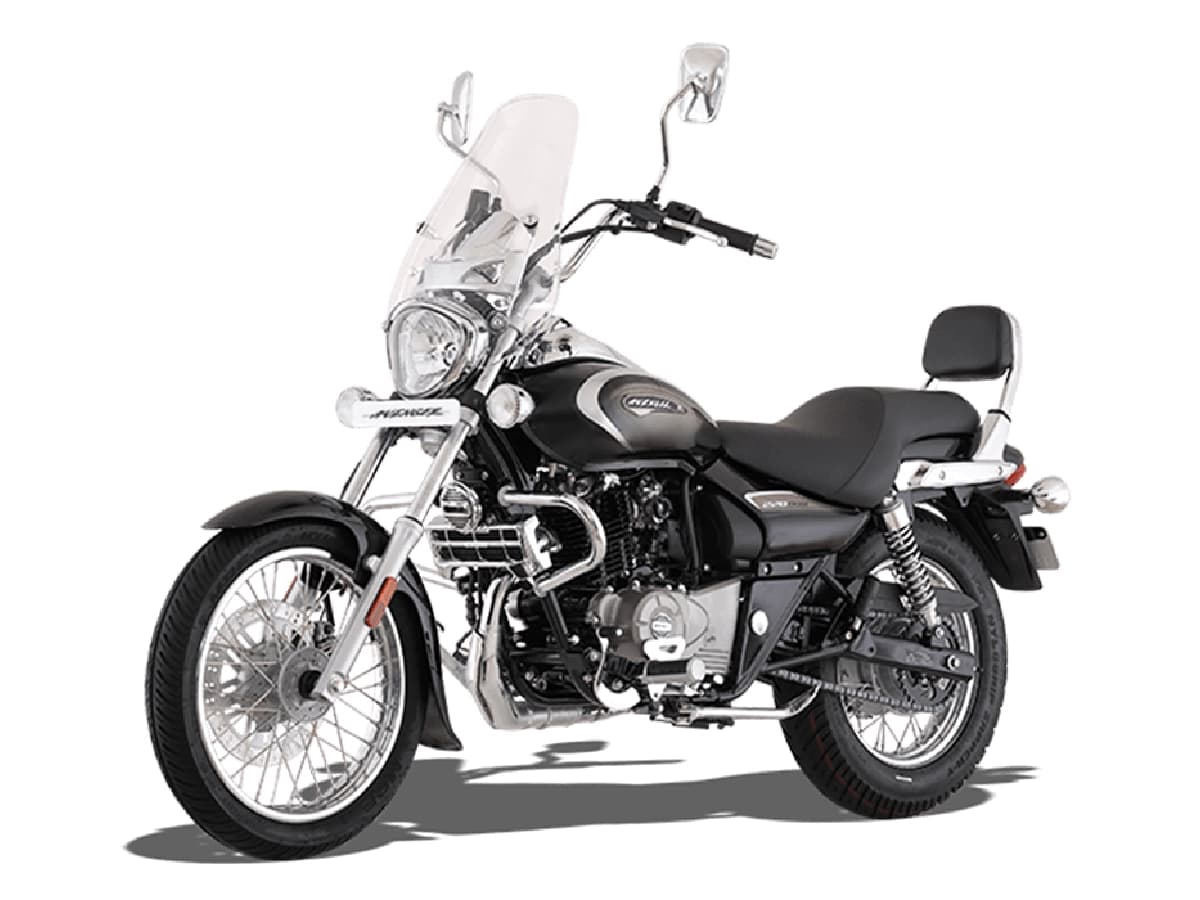
Bajaj Avenger Cruise 220
Bajaj · Motorcycle
Avenger Cruise 220 Specifications
₹ 1,29,496ex-showroom · last updated 2026
- Engine
- 220cc
- Power
- 18.76bhp
- Weight
- 163kg
01 / Spec Sheet
Bajaj Avenger Cruise 220 Full Specifications
The Bajaj Avenger Cruise 220 is powered by a 220cc single-cylinder, oil-cooled, Twin Spark DTS-i fuel-injected engine that produces 19.03 PS at 8,500 rpm and 17.55 Nm of torque at 7,000 rpm. Power is sent to the rear wheel through a 5-speed manual gearbox. The engine is BS6 Phase 2 (OBD-2B) compliant.
On the performance side, the claimed mileage is 40 kmpl (ARAI), but real-world riders typically see 35-38 kmpl in mixed city-highway riding and up to 42 kmpl on open highways at steady speeds. Top speed is around 120 kmph, though the bike is most comfortable and efficient at 80-100 kmph.
Dimensions and weight: Kerb weight is 163 kg - relatively light for a cruiser. Seat height is 737mm, one of the lowest in its segment. Fuel tank capacity is 13 litres. Ground clearance is 169mm, which is adequate for most highway conditions but demands care on rough village roads.
Suspension: Telescopic front forks handle the front end, while a 5-step adjustable twin shock absorber setup manages the rear. The suspension is tuned for long-distance comfort rather than sporty handling - it absorbs highway undulations well but can feel floaty during aggressive cornering.
Braking: Single-channel ABS with a 280mm front disc and a rear drum. The ABS intervenes predictably in emergency stops. The rear drum, while not modern, is adequate for normal riding. Tyre sizes are 90/90-17 at the front and 130/90-15 at the rear - tube-type spoke wheels (no tubeless option in the standard configuration).
Electrical: LED headlamp and tail lamp, round LCD instrument cluster showing speed, fuel level, trip meter, and engine diagnostics.
| Brakes & Wheels | |
|---|---|
| Braking System | Single Channel ABS |
| Front Brake | Disc, 280 mm, 2 piston caliper |
| Rear Brake | Drum, 130 mm |
| Tyre Pressure (Rider & Pillion) | Front - 21 psi, Rear - 25 psi |
| Tyre Pressure (Rider Only) | Front - 21 psi, Rear - 25 psi |
| Tyre Size | Front - 90/90 - 17, Rear - 130/90 - 15 |
| Tyre Type | Tubed |
| Wheel Size | Front - 17 inch, Rear - 15 inch |
| Wheel Type | Spoke |
| Dimensions | |
| Fuel Tank Capacity | 13 litres |
| Ground Clearance | 169 mm |
| Kerb Weight | 163 kg |
| Overall Dimensions (LxWxH) | 2210 mm x 806 mm x 1321 mm |
| Reserve Fuel Capacity | 3.8 litres |
| Seat Height | 737 mm |
| Seat Length | — |
| Wheelbase | 1490 mm |
| Power & Performance | |
| Battery | 12V, 8Ah VRLA |
| Bore x Stroke | 67 mm x 62.4 mm |
| Clutch | Wet Multiplate |
| Compression Ratio | 9.8 +/- 0.3 : 1 |
| Displacement | 220 cc |
| Emission Standard | BS6 Phase 2 |
| Engine Type | 1 Cylinder, Oil Cooled, 2 Valves |
| Fuel Type | Petrol |
| Gear Shifting Pattern | 1 Down 4 Up |
| Max Power | 18.76 bhp @ 8500 rpm |
| Max Torque | 17.55 Nm @ 7000 rpm |
| Mileage - Owner Reported | 39 kmpl |
| Riding Modes | No |
| Riding Range | 507 km |
| Spark Plugs | 2 Per Cylinder |
| Top Speed | 120 kmph |
| Transmission | 5 Speed Manual |
| Transmission Type | Chain Drive |
| Suspensions & Chassis | |
| Chassis Type | Tubular Double Cradle Type |
| Front Suspension | Telescopic with double anti friction bush |
| Front Suspension Preload Adjuster | No |
| Rear Suspension | 5 step adjustable Twin shock absorber |
| Rear Suspension Preload Adjuster | Yes |
| Warranty and Services | |
| 1st Service | 500-750 km or 30-45 days |
| 2nd Service | 4500-5000 km or 240 days |
| 3rd Service | 9500-10000 km or 360 days |
| 4th Service | — |
| 5th Service | — |
| No. of Free Services | 3 |
| Vehicle Warranty | 75,000 km or 5 years |
Compared to its closest rival, the Royal Enfield Hunter 350 runs a larger 349cc engine producing 20.2 PS and 27 Nm - significantly more torque, which makes a difference in real-world riding. The Hunter also offers alloy wheels with tubeless tyres. However, the Avenger Cruise 220 weighs 18 kg less (163 kg vs 181 kg), which helps with maneuverability and contributes to better fuel efficiency. For pure spec-sheet numbers, the Hunter 350 wins; for total ownership cost and riding comfort, the Avenger holds its own.