
It's one of those bikes that left quietly and came back with very little fanfare - but for a specific type of rider, the return of the Bajaj Avenger Street 220 is actually significant news.
Bajaj discontinued the Street 220 in 2020. For the last six years, if you wanted an Avenger 220, you bought the Cruise. The Cruise is a fine bike - but it's built for highways, with that big windshield and a laid-back posture that makes 300 km runs comfortable but city commuting slightly cumbersome.
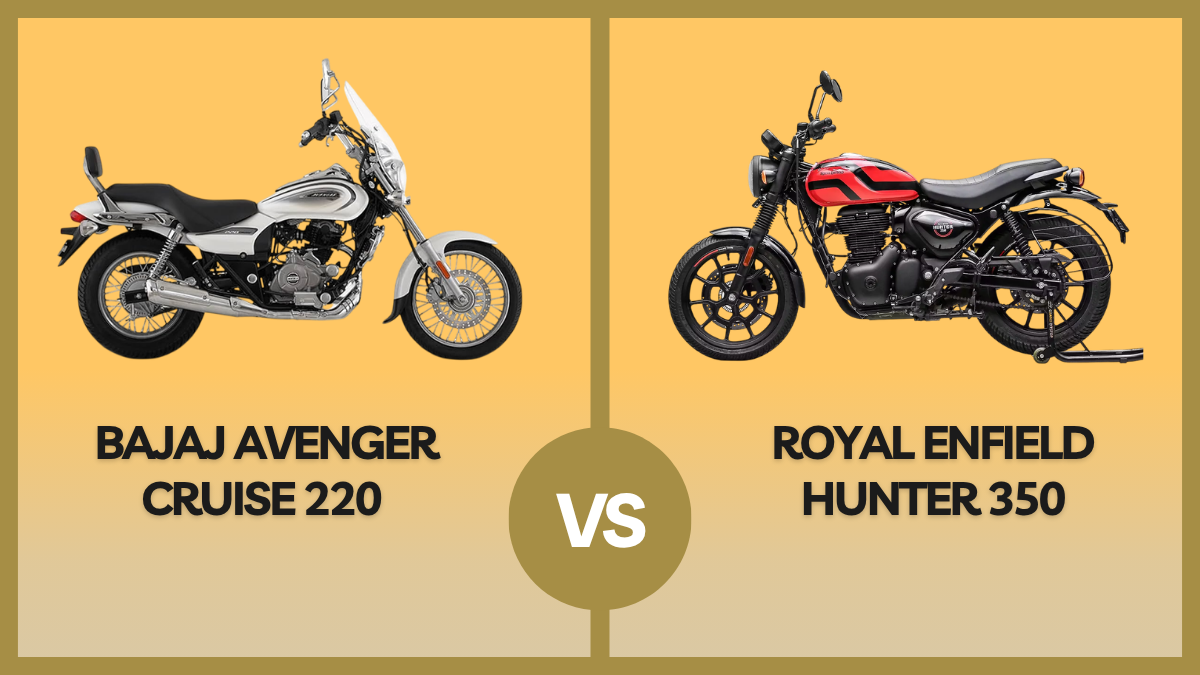
The Street 220 is a different animal. Same engine, same seat height, same mileage - but upright riding position, no windshield, and Rs 2,926 cheaper than the Cruise. It's back. Let's look at what's new.
What's Actually Different in 2026
If you owned a pre-2020 Street 220, here's the delta:
Single-channel ABS is now standard. This is the biggest functional upgrade. The original Street 220 in its BS4 form either didn't have ABS or had it as a premium on select variants. The 2026 version brings it standard across the board - front 280mm disc with ABS, rear drum without. It's single-channel, not dual, so the rear drum still stops the old-fashioned way, but front ABS in emergency braking makes a real difference on Indian highways.
BS6 Phase 2 compliance. OBD-2B onboard diagnostics, updated fuel injection calibration. The engine character is unchanged - same smooth 80-100 kmph cruise, same 40 kmpl ARAI figure - but it meets the latest emission norms.
LED headlamp with DRL ring. The old model had a halogen headlamp. The 2026 Street gets a round LED unit with a daytime running light ring. It looks better and provides genuinely improved visibility at night.
Updated round LCD cluster. Minor update - same information (speed, fuel, trip) in a slightly cleaner display.
What Didn't Change (And That's Fine)
The Bajaj Avenger Street 220's core DNA is intact:
- 220cc oil-cooled DTS-i engine - 19.03 PS, 17.55 Nm, smooth as ever
- 737mm seat height - the lowest in the cruiser segment. If you're under 5'6", you can flat-foot this comfortably
- 163 kg kerb weight - light for a cruiser, makes city parking and maneuvering less of a chore
- 13-litre fuel tank - 450-500 km real-world range
- Spoke wheels - still tube-type, still the biggest legitimate complaint
No tubeless tyres. No alloy wheels. No Bluetooth. No semi-digital cluster. These are real omissions compared to the TVS Ronin 225, which offers alloy wheels and tubeless tyres at almost the same price. Bajaj hasn't addressed this, and it's worth knowing before you sign the papers.
Street vs Cruise - Which One Should You Actually Buy?
Since both are now available, this question is back on the table.
Choose the Street 220 (Rs 1,25,965) if:
- You commute daily in city traffic and the windshield feels bulky for lane splitting or urban maneuvering
- You occasionally do weekend rides but your primary use is city
- You prefer the naked street look
Choose the Cruise 220 (Rs 1,28,891) if:
- You regularly do 200+ km highway runs and want the windshield to reduce wind fatigue
- The laid-back posture suits your riding style
- Rs 2,926 difference doesn't matter to you
The honest truth: for most city buyers, the Street is the better daily rider. The windshield on the Cruise is brilliant on NH44 but annoying on Mumbai's BKC flyover.
Is the Price Right?
Rs 1,25,965 puts the Street 220 up against the TVS Ronin 225 (Rs 1,25,690) and well below the Royal Enfield Hunter 350 (Rs 1,49,900).
Against the Ronin, the Street wins on seat height, highway comfort, and engine refinement. The Ronin wins on modern features - alloy wheels, tubeless tyres, better city agility, newer design. They're genuinely different motorcycles for different buyers.
Against the Hunter 350, the Street loses on torque (17.55 Nm vs 27 Nm), features, and brand pull - but it's Rs 24,000 cheaper and lighter. For riders who don't need the Hunter's power and want affordable running costs, the Street makes a compelling case.
The Known Issues - Go in Informed
The Avenger 220 community on Team-BHP and ZigWheels has been around long enough to document its recurring problems. The big one: clutch wire failure. Many long-term owners replace it annually. Factor in Rs 500-800 for the wire and 30 minutes of service labour every 6-12 months.
Rust on chrome parts within weeks of purchase in coastal cities (Mumbai, Chennai, Kochi) is also widely reported. Apply anti-rust treatment on exposed chrome early - it's preventable.
The turning radius is genuinely wide. If you live in a narrow lane or need to do frequent U-turns on a busy street, practice before committing.
None of these are dealbreakers - but they're real, and the internet won't let you forget them.
The Bottom Line
The Bajaj Avenger Street 220 is back for buyers who were waiting for the city-friendlier Avenger without paying the Cruise 220's windshield tax. It's an honest motorcycle at an honest price. The ABS upgrade is meaningful, the LED lighting is long overdue, and the fundamentals - engine, mileage, accessibility - were never broken.
If the spoke wheels bother you, the Ronin 225 is your answer. If you want more power and don't mind spending Rs 24,000 more, the Hunter 350 is waiting. But if you want an affordable, proven, accessible cruiser for the daily Mumbai or Bangalore commute with weekend highway capability, the Street 220 at Rs 1,25,965 is exactly what Bajaj says it is.
What brought you back to the Street - are you a returning owner, or a first-time cruiser buyer? Let us know in the comments.