
 Written by
 The Tata Punch CNG (often branded as the Punch iCNG) brings cleaner, cost-effective fuel to Tata’s popular micro-SUV without compromising its SUV character. In this TATA Punch CNG review, we’ll explore how this new CNG variant performs in real-world Indian conditions – from engine performance and mileage to ride comfort and features – all in a neutral, first-hand tone. Priced from around ₹7.1 lakh (ex-showroom) for the base model[1], the Punch CNG targets Indian buyers seeking high fuel efficiency and low running costs in a city-friendly SUV package. We’ll also highlight the top accessories (floor mats, door edge guards, roof rails, skid plates, door visors, chrome garnishes) from Tata’s official catalogue that can enhance the Punch’s practicality and style in daily use.
Design & Road Presence
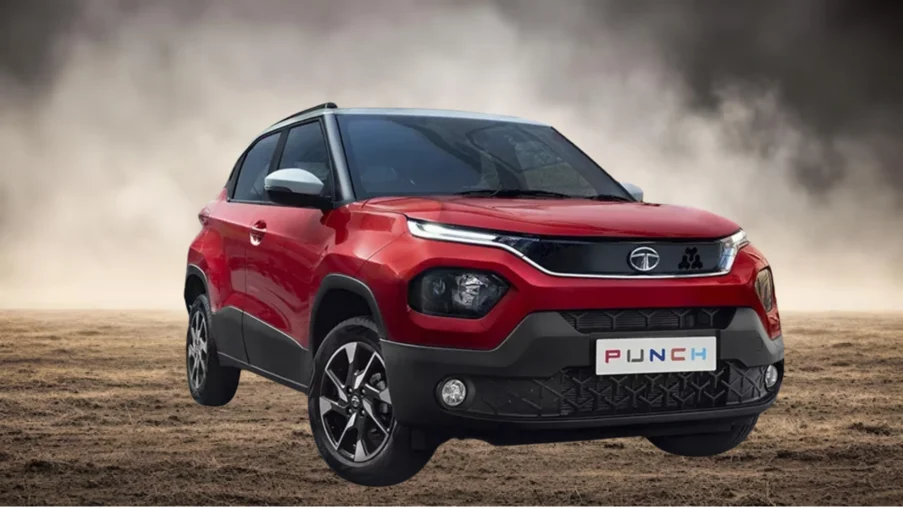
Tata has given the Punch a bold design and an imposing road presence despite its compact dimensions. The upright stance, clamshell bonnet, and chunky cladding make it look like a downsized SUV rather than a raised hatchback. A recent facelift has added modern touches – a sleeker gloss-black grille flanked by LED DRLs, a refreshed bumper with a silver skid plate, and even an (inactive) ADAS sensor housing on the nose[2]. The side profile remains chunky with squared wheel arches and 16-inch alloy wheels, and at the rear a new LED light bar connects the tail-lamps, enhancing its contemporary appeal[3]. Overall, the Punch CNG retains the funky yet robust styling that appeals to many young buyers, and it stands out in traffic with its SUV-like design cues and 187 mm ground clearance[4]. Visibility from the driver’s seat is excellent thanks to the high seating position and large windows – you get a commanding view of the road, adding to the confidence while driving in city chaos or on highways[5]. The build quality feels solid too, as the Punch shares Tata’s ALFA architecture with a proven 5-star safety rating. However, typical of some Tata cars, panel fit and finish can be a bit inconsistent – you may spot some uneven gaps or minor trim niggles upon close inspection[6]. That said, the overall design and build give the Punch a tough, rugged character and a reassuring road presence that belies its sub-4m size.
Engine & Performance (CNG Mode)
Under the hood, the Punch iCNG uses the same 1.2-litre, three-cylinder Revotron petrol engine, modified to run on CNG. In petrol mode, it produces about 86 hp and 113 Nm of torque, while in CNG mode it makes around 72 hp and 103 Nm[7]. This drop in output is typical for a bi-fuel engine, but Tata’s tuning ensures the Punch CNG remains practical for daily driving. Notably, Tata has introduced an AMT (Automated Manual Transmission) option with the Punch CNG – making it India’s first CNG SUV with an automatic gearbox[8]. (Lower trims may come with a 5-speed manual, but the AMT offers clutch-free convenience for city commuting.) The AMT even has steering-mounted paddle shifters, a unique touch in this segment[8].
Real-world driving impressions: Start the Punch in CNG mode (Tata’s iCNG system smartly defaults to CNG on startup) and the engine idles quietly with minimal vibration[9]. At low speeds and in city traffic, performance is smooth and adequate. The Punch CNG AMT creeps forward gently in “Drive” (around 8 km/h) making stop-go traffic hassle-free[10]. Throttle response is slightly softer in CNG mode compared to petrol, but not by much – it’s tuned well enough that keeping up with city traffic isn’t an issue[11][12]. The 5-speed AMT shifts at around 2,500 rpm under light throttle, and if you floor the accelerator, it will rev out to ~6,000 rpm before shifting[13][14]. However, don’t expect rapid acceleration – the Punch CNG is built for efficiency, and it takes its time to build speed. Overtaking on highways requires planning: you’ll often need to prod the throttle to kick-down, or use the manual mode/paddles to drop a gear or two[15][16]. In our test drives, 0–100 km/h came up in a leisurely ~19.5 seconds[17]. Once at cruising speed, it can hold 80–100 km/h comfortably, but there isn’t much reserve power for quick high-speed overtakes[18]. The AMT itself is tuned reasonably well – gear changes take about half a second, and you will feel the typical “head-nod” shift shock at times[19]. You can mitigate this by lifting off the accelerator slightly during shifts, or by using the paddle shifters for more direct control[19][20]. The paddles are handy for quick downshifts (say, while overtaking), but there is still a noticeable lag between your input and the gearbox’s response[20]. Overall, performance in CNG mode is adequate for daily city use and relaxed highway cruising, but the Punch CNG is not meant for spirited driving or hilly terrains with heavy loads. It shines when driven with a light foot, where it rewards you with smooth progress and exceptional fuel efficiency, which is likely the top priority for its buyers[21].
On the refinement front, the 3-cylinder engine is impressively muted at idle and low revs – you barely hear it inside the cabin up to about 3,000–4,000 rpm. Push it harder (like during overtakes) and the engine note gets louder and a bit coarse, reminding you of its economy tuning[22]. Still, at steady city speeds the NVH (noise, vibration, harshness) is well controlled. Wind and road noise are also kept in check at moderate speeds, though on the highway you may notice some tyre roar seeping in[23]. Tata could improve insulation further – currently, loud honks or ambient traffic sounds can filter through into the cabin[23]. That aside, the Punch CNG’s powertrain feels refined for a CNG car. Importantly, the switch between petrol and CNG modes is seamless. You can toggle via a dedicated CNG button; the system emits only a slight “clunk” sound when changing modes, with no jerks[24]. If the CNG tank is low, the car will automatically switch to petrol to ensure you’re never stranded[25]. This dual-fuel flexibility gives great peace of mind on longer trips or if you stray far from CNG stations.
Ride & Handling (City & Highway)
One of the Tata Punch’s strongest aspects is its ride comfort on Indian roads. Tata’s suspension tuning really hits the sweet spot for our conditions[26]. Drive over broken tarmac, potholes, or speed bumps, and the Punch soaks up rough patches with remarkable ease. The suspension is nicely calibrated to smother most bumps – you feel a muted thud at worst, without any harsh shocks filtering through[26]. Even large potholes are handled with a composure that’s rare in this segment. This plush ride quality means you and your passengers won’t dread bad roads; the Punch glides over uneven surfaces where some competitors would jostle occupants. Tata’s understanding of Indian road conditions is evident here[26]. Despite the soft, absorbent ride, the Punch’s body control is well managed. Yes, there is some body roll due to the taller stance, but it’s never excessive or unsettling. The car remains predictable when taking corners at moderate speeds. Push very hard and it will remind you it’s not a sporty SUV – the body roll increases and the front pushes wide – but for typical driving, it handles confidently[27][28]. The steering is light and easy, especially at low speeds, which is a boon in city traffic and tight parking spots. It takes about 3 turns lock-to-lock, but the SUV-like seating might make you feel like you’re maneuvering something larger[27]. In reality, the Punch is very nimble for an SUV – threading through crowded streets or making U-turns is stress-free. On the highway, straight-line stability is decent for a car of this size; it doesn’t feel floaty and can cruise at 90–100 km/h comfortably. Only when encountering sudden dips or crosswinds might you sense a bit of lightness, but nothing alarming. The brakes (discs in front, drums at rear) offer adequate stopping power and the pedal feel is fine for everyday use. With ABS and EBD standard, the Punch stops confidently without drama. Overall, the Punch CNG delivers a smooth and confidence-inspiring drive: it’s effortless in city conditions – clambering over potholes and mounting ramps easily – and it remains composed for relaxed highway journeys, as long as you remember it’s not built for high-speed sprints.
Comfort & Features
Despite being a compact SUV, the Tata Punch makes smart use of its cabin space to deliver good comfort for up to five occupants. Seats and ergonomics: The front seats are well-cushioned and now come with extended thigh support (a feature trickled down from the Altroz) in the latest model year[29]. This extra thigh support for both driver and passenger really improves comfort on longer drives – you feel less fatigue in your legs. The seats are upholstered in fabric with a new black-and-grey theme (for 2024/25) that looks premium and is a welcome change from all-black interiors[30]. The driving position is nicely elevated, giving that commanding SUV feel, and the seat height is adjustable. Combined with tilt-adjust steering, most drivers can find a comfortable position. As mentioned, visibility is excellent – the large windshield and side windows, along with the high perch, make for an airy cockpit. The Punch’s doors also open a full 90 degrees, which makes ingress and egress extremely easy for all ages[31]. This wide-opening door design (rare in this segment) means even elderly passengers or those in bulky attire can get in and out without contortions.
Rear seat: For a car of this size, the rear seat space is surprisingly good in some aspects. The legroom (knee room) is ample even with a six-footer driving; Tata has scooped out the front seatbacks to maximize rear knee clearance. The floor is nearly flat, which helps if a third passenger is sitting in the middle[32]. Three adults can fit in the rear for short trips, though for longer journeys it’s more comfortable for two plus a child. The limiting factor is the shoulder width – it’s a bit tight for three side-by-side, and the middle occupant doesn’t get an adjustable headrest[33]. Headroom in the Punch is decent but not generous; a six-foot adult will find their head close to the roof, especially in variants with the sunroof (the mechanism eats a few inches of headroom)[33]. The rear backrest is also set a tad upright, which some might find less relaxing on long drives[34]. On the plus side, Tata has now provided rear AC vents for the Punch, along with a 12V/Type-C charging socket for rear passengers (in the updated models)[35]. There’s also a new fold-down armrest in the rear center, though it lacks cupholders. Overall, two adults in the back will be quite comfortable with plenty of leg space and the rear vents keeping them cool; a third occupant is workable for city hops.
Features and tech: The Punch CNG carries over the features from the petrol model, meaning it can be quite loaded in the higher trims. The Accomplished+ and Creative trims (post-facelift naming) get an impressive 10.25-inch touchscreen infotainment system[36][37] with crisp resolution and Android Auto/Apple CarPlay (now wireless). This system is easy to use and within convenient reach. Lower trims have a smaller 7-inch Harman infotainment which still offers smartphone connectivity. The top models also feature a 7-inch digital TFT instrument cluster that displays driving info and even shows the split between petrol/CNG usage – a neat detail for those monitoring fuel stats[38]. For 2025, Tata has introduced some premium touches: automatic climate control (with a new touch-based panel on higher trims), an engine start/stop push button, cruise control, and even an electric sunroof with voice commands in certain variants[39]. The sunroof lets in light and is a big draw for many buyers, though one must mind the reduced headroom it causes. Other handy features include: a cooled glovebox (to keep drinks chilly), one-touch up/down driver window, power-folding mirrors, and a height-adjustable driver’s seat. Safety is a highlight – the Punch has a 5-star (Bharat NCAP/Global NCAP) safety rating, and the facelift ups the ante with 6 airbags standard across all variants[40]. You also get ABS, EBD, corner stability control, brake sway control, and ISOFIX mounts on all models[41]. The CNG kit itself has extra safety – a micro-switch that prevents starting during refueling, thermal incident protection that cuts off CNG flow in case of a leak or accident, etc[42][43].
In daily life, these features make the Punch CNG feel like a well-equipped modern car. The AC (manual in lower models, automatic in higher) is powerful and managed to keep the cabin cool even when running on CNG, which can sometimes tax the engine a bit[12]. There are abundant storage cubbies: dual cup holders in front (though only suitable for small bottles), door pockets that accommodate 1L bottles, and some clever slots (like a shelf above the glovebox in older models). One gripe is that the center armrest storage is very small – barely a key fob or coins will fit[44] – so it’s not very useful for larger items. Also, while the cabin plastics are robust, they are mostly hard to the touch; don’t expect soft-touch materials at this price. Still, the fit and finish has improved over time, and except for the occasional flimsy bit, the interior gives a cheerful vibe. The combination of a spacious-feeling cabin, comfortable seats, and a long list of features (especially in top trims) means the Punch CNG is a very comfortable daily driver for both city commutes and weekend family outings.
Practicality & Daily Usability
The Tata Punch has been designed with Indian daily usage in mind, and the CNG variant cleverly retains much of the practicality of the petrol version. A major innovation is the twin-cylinder CNG tank setup: Tata has fitted two smaller CNG cylinders (approx. 30 L water capacity each) under the boot floor instead of one large tank[45]. This frees up a good amount of luggage space above. While the regular petrol Punch offers a generous 366 litre boot, the Punch CNG still provides 210 litres of usable boot space[46]. In real terms, 210 L is enough for a couple of medium duffel bags or the family’s grocery run – a huge advantage over traditional CNG cars that often sacrifice the entire trunk for the tank. The boot floor is raised but flat, and you can still fold down the rear seat (60:40 split in higher variants) if you need to haul larger items. Additionally, Tata has mounted the spare wheel under the car (accessible by lowering it with a bolt mechanism), so it doesn’t eat into boot volume[46]. This smart packaging ensures the Punch CNG remains practical for everyday tasks and small trips, unlike many CNG cars where luggage space is a big compromise.
Cabin practicality is also commendable. The Punch’s tall height and the aforementioned 90° opening doors make ingress/egress and loading items easy[31]. For instance, installing a child seat or helping an elderly family member into the car is simpler thanks to the wide door arc. Once inside, there are plenty of nooks: a reasonably sized glovebox (cooled in some trims), storage slots in the center console, and front seat-back pockets for rear passengers. The only issue is, as noted, the front armrest compartment and cupholders could be larger[44][47]. Still, everyday items like phone, wallet, and keys will find a place without clutter. The rear parcel shelf is handy for keeping light items or sunshades.
Driving the Punch CNG in city traffic is hassle-free. The car’s compact length (just under 3.8m) and good turning radius make it easy to squeeze through tight gaps and park in small spots. You sit at a height where judging the corners is straightforward, and the optional 360° camera (in top model) further aids parking maneuvers[36]. Ground clearance of ~190 mm means steep speed breakers or poorly maintained roads won’t scrape the underbody[4] – you can tackle rough paths or high mall ramps confidently. The Punch also has good water wading capability, courtesy of its SUV-inspired design, so it can handle monsoon puddles better than a low-slung hatchback.
Another big advantage is the dual-fuel range. The CNG cylinders can hold roughly 10 kg of CNG when filled (depending on pressure)[48]. With an average of ~22 km/kg (more on mileage later), you can expect around 200–250 km on a full CNG tank. Plus, the Punch retains its 37-litre petrol tank[49], which can add another ~500 km of range (at ~15 km/L). In effect, you have an impressive combined range for long drives without needing to refuel – use cheap CNG in the city, and switch to petrol where CNG isn’t available. The electronic fuel switch is seamless, and you can even start the car directly in CNG mode unlike most aftermarket kits[50][51]. For daily city use, many owners might rarely need to dip into the petrol reserve, but it’s a reassuring backup for highway trips.
Fuel filling is convenient too – the Punch has the CNG filling nozzle integrated next to the petrol filler under the same fuel flap, so you don’t need to open the hood for refills. Tata has also added a safety interlock (micro-switch) that ensures the car is off while refueling and cannot be started until the CNG fuel lid is closed securely[52]. This eliminates accidents during refills. Given the expanding network of CNG stations in urban areas, most users will find running on CNG very feasible for daily commutes. Just remember that like all CNG cars, you lose some boot space and about 10-15% engine power – a trade-off for the much lower fuel cost. In summary, the Punch CNG is a very practical daily driver – it combines the easy drivability and small footprint of a city car with the robustness and space of an SUV. Whether it’s the morning office run, school drop-offs, or a weekend shopping haul, the Punch CNG fits right in with the needs of an average Indian family.
Mileage / Fuel Efficiency
Fuel efficiency is a primary reason to consider the Punch CNG, and it doesn’t disappoint. While Tata has not officially disclosed the ARAI mileage for the AMT version yet[53][54], the 5-speed manual Punch iCNG is ARAI-rated at 26.99 km/kg of CNG[54]. In real-world conditions, owners are reporting excellent numbers as well. In city driving, with frequent stops and moderate traffic, you can expect around 20–22 km/kg on CNG[55]. This means even in congestion, the Punch CNG will run extremely cheap – roughly ₹3 per km or less on fuel[56]. On highways or longer routes, the efficiency gets even better: at steady cruising, the Punch iCNG can deliver about 24–26 km/kg[57]. A realistic combined average for mixed driving is about 22 km/kg[58], which is impressive for a vehicle of this size and shape. To put that in perspective, running costs on CNG come to about ₹2.8–3.0 per km (with CNG priced ~₹75/kg), which is roughly half or even one-third the cost per km of running the petrol version[56]. In daily use, the savings are significant.
It’s worth noting that these figures assume the car is mostly driven in CNG mode. The Punch CNG always starts in CNG mode (if gas is in the tank) to maximize your savings[50]. If you run out of CNG and switch to petrol, the mileage in petrol-only mode is around 18–19 km/L on highways and 13–15 km/L in city driving[59][60]. But the whole point of buying the CNG variant is to use the cheaper fuel as often as possible. With the twin-cylinder setup, you will likely refill CNG every 8-10 days under typical usage (assuming ~200 km/week), which is manageable. The CNG tank capacity (water volume ~60 L total) usually holds about 9–10 kg when filled from zero – sometimes a bit less if the pump pressure isn’t optimal[48]. Keep in mind that, like all CNG cars, the last portion of the tank can have lower pressure, so it’s advisable not to run it bone dry frequently as refilling a very low-pressure tank may not give the fullest fill.
One question many have is how running AC or heavier loads affect the mileage. The Punch’s engine does a decent job – even with the AC on and a couple of passengers, city mileage stays around 20 km/kg if driven sedately. The direct start in CNG mode and single ECU ensure the engine is well-calibrated for gas, avoiding jerks or backfires that could hurt efficiency[61][62]. On highways, using cruise control (if equipped) at around 80–90 km/h can help maximize km/kg. Driving style matters too: smooth acceleration and keeping the revs in the mid-range will yield better results than aggressive throttle inputs. Thankfully, the Punch CNG encourages a light-foot driving style naturally.
In summary, the Tata Punch CNG’s fuel efficiency is excellent – easily one of the most economical compact SUVs to run. For a daily 50 km city commute, you might spend only about ₹150 on CNG – a huge relief in times of high petrol prices. Over longer ownership, the savings do add up. In fact, if you drive a lot (say 10,000+ km a year), the CNG model can save you nearly ₹1.5 lakh in fuel costs over 5 years compared to the petrol Punch[56][63]. Do note that the CNG variant costs about ₹1 lakh more upfront than the equivalent petrol, so you’d recoup that in roughly 3-4 years of average driving (sooner if your running is high)[63]. Also budget slightly higher for CNG maintenance (discussed next). But purely on mileage, the Punch CNG is a champ. It delivers on the promise of low running costs without the range anxiety of pure EVs or the hassle of aftermarket CNG kits. It’s an ideal choice for someone who wants the SUV experience but needs to keep fuel bills in check.
Must-Have Accessories from Tata’s Official Catalogue
To make the most of your Punch, Tata Motors offers a range of genuine accessories. Here are the top 5 must-have official accessories we recommend for the Tata Punch (especially useful in Indian conditions):
- Floor Mats (3D/All-Weather Mats): A good set of floor mats is essential to protect your car’s interior from mud, slush, and dust. Tata’s custom-fit floor mats for the Punch cover the footwells perfectly, preventing dirt from soaking into the carpet. Whether it’s the monsoon’s muddy shoes or beach sand from a weekend trip, these mats will catch it all. They are easy to remove and wash, making interior cleaning hassle-free. Opt for the 3D rubber mats or 7D mats which come with raised edges to hold water and grime – perfect for Indian rainy seasons and dusty summers alike. By keeping the floor clean and dry, floor mats not only maintain hygiene but also preserve the resale value of your Punch’s cabin.
- Door Edge Guards: In crowded city parking or narrow garage spaces, it’s common to bump the door edge against walls or other cars. Door edge guards are simple stick-on protectors (Tata offers them in body-colored or chrome finish) that wrap around the sharp edge of your doors. They act as a buffer to prevent paint chips and scrapes when the door opens against an object. As Tata’s official blog notes, “City parking and tight spaces often result in small door scratches. Door edge guards keep these scratch marks and chips at bay.”[64] For a small cost, you avoid unsightly nicks on your Punch’s doors and potential rust spots later. These guards are barely noticeable and blend in with the door frame, but they quietly save you from repair touch-ups. Definitely a must-have for urban users who frequently park in constricted spots.
- Roof Rails: The Punch has an SUV silhouette, and adding the stylish roof rails from Tata’s accessory lineup enhances that look while also adding utility. These are bolted onto the roof and follow the contours of the car. Official roof rails come rated to handle some weight, meaning you can use them to mount a roof carrier or luggage box when needed (ideal for road trips where the 210L boot might not suffice). Even when you’re not carrying cargo on top, the roof rails provide tie-down points for something as simple as a pair of extra luggage or even a bicycle rack. In daily life, they don’t interfere with anything (the Punch is not too tall, so even with rails it clears most parking structures). They also sit flush enough to not cause wind whistle at highway speeds. A bonus: they significantly improve the Punch’s aesthetics, giving it a rugged, outdoorsy vibe. For many owners, roof rails are a favorite cosmetic upgrade that also comes in handy for weekend adventures.
- Front and Rear Skid Plates: To bolster the Punch’s tough appearance and protect its bumpers, consider installing the skid plates (available as official accessories for front and rear). These skid plates are essentially additional cladding pieces that attach to the lower part of the front and rear bumpers, usually in a silver or black finish. They serve a dual purpose. First, they act as a sacrificial layer if you accidentally graze the underbody on tall speed breakers or ramps – the skid plate will take the scratch instead of your painted bumper. This is especially useful given India’s unpredictable road surfaces. Second, skid plates give the Punch a more robust, SUV-like look (the front skid plate accentuates the high nose, and the rear one adds character to the back profile). They pair well with the existing cladding. Since Tata’s skid plates are designed for the Punch, they fit perfectly and don’t rattle. Installation is straightforward at the dealership. If you plan any mild off-roading or often drive on village roads, these skid plates are great for peace of mind. Even for city use, they are a stylish add-on that protects your investment.
- Door Visors and Chrome Garnish: Rounding up the must-haves are a couple of accessories that improve practicality and add a touch of bling. Door visors (also called rain visors) are slim deflectors that mount along the top of the window frames. They allow you to crack open the windows slightly during rain or while driving on a dusty road, without water entering or excessive wind buffeting. This is invaluable in humid Indian weather when you want some fresh air without getting soaked. The visors also reduce wind noise when driving with windows slightly down. Tata’s door visors for the Punch are low-profile and come in a dark acrylic finish that complements the window line. Along with visors, chrome garnishes can elevate the Punch’s appearance. Tata offers various chrome embellishments – popular ones include a chrome strip for the window line, chrome surrounds for fog lamps or taillights, and a chrome garnish on the tailgate. While some might consider them purely cosmetic, a little bit of tasteful chrome adds a premium touch to the Punch (for example, a chrome belt line under the windows or a tailgate chrome strip makes the rear look more upmarket). In real Indian conditions, these chrome parts are easy to clean and resilient against weather (just wipe off water spots to keep them shining). They won’t peel or fade quickly since they are OEM quality. If you like your car to have a hint of shine and stand out, these garnishes are a good choice. Combined with door visors, they improve both function and form – keeping rain out and giving your Punch a dash of sophistication.
Each of these accessories is recommended for new Punch owners to enhance the ownership experience. They are designed by Tata specifically for the Punch, so you get perfect fit and finish. Moreover, using official accessories keeps your warranty intact and quality assured. Whether it’s protecting your interiors, exteriors, or just adding style, these five add-ons will make living with the Punch even more enjoyable and stress-free.
(Note: All accessories mentioned come with a Tata Motors warranty when fitted at authorized outlets[65]. Prices may vary, so check with your dealer for the latest rates. You can also explore accessory packages or combo deals that Tata offers.)
Ownership Experience (Service, Maintenance, Warranty)
Owning the Tata Punch iCNG is largely a positive and cost-effective experience, thanks to its low running costs and Tata’s improving after-sales support. Let’s break down a few key aspects of ownership:
- Warranty and Reliability: Tata offers a standard warranty of 3 years or 100,000 km on the Punch, which was upgraded from the previous 2-year standard[66]. This shows the confidence Tata has in its product durability. You also have the option to purchase extended warranty packages (up to 5 years total coverage) for extra peace of mind[67]. The Punch’s 1.2L engine is a tried-and-tested unit that’s been in models like the Tiago and Altroz, and in CNG form it’s tuned to be robust and safe. Tata’s iCNG system incorporates multiple safety checks (like leak detection, automatic fuel cut-off, etc.) to ensure reliability in the long run[68][42]. As an owner, you should follow the maintenance schedule – regular servicing, including CNG filter replacements and inspections – to keep everything running smoothly. There have been no widespread complaints of mechanical failures in the Punch; the platform and powertrain have a solid track record. Of course, minor issues can crop up (common ones reported are occasional infotainment software glitches or some rattles on rough roads), but these are usually fixed under warranty in service camps. The car’s build (rated 5 stars in crash tests) also speaks to its structural integrity, which should reassure owners about long-term safety for their families.
- Service Network and Costs: Tata Motors has a wide service network across India, including in many tier-2 and tier-3 towns, owing to its long presence in the market. This makes finding a service center convenient for most owners. Historically, Tata’s service quality had a mixed reputation, but in recent years it has shown improvement – especially with initiatives to reduce customer complaints and offer smoother service experience. For the Punch, service intervals are every 6 months or 7,500 km, with an oil-change service every 1 year/15,000 km and a minor check-up in between[69][70]. The first few services (up to 1 year) are mostly inspections and are very low-cost (labor is often free for the 1st service). Owners have found that routine maintenance costs for the Punch are among the lowest in the segment[71][72]. Expect to pay roughly ₹4,000–₹5,000 for each regular yearly service that includes oil, filters, etc.[73][74]. Over 5 years, the total scheduled maintenance cost comes to only about ₹22,000–₹25,000, which is very reasonable for an SUV[74][75]. The CNG variant might incur slightly higher costs mainly because spark plugs might need more frequent changes (CNG is a dry fuel) and the CNG system has its own filter and checks. A rough estimate adds maybe ₹1,000 extra per service for CNG-related parts, so over 5 years you might spend around ₹40,000–₹45,000 in total on maintenance – still quite affordable[56][63]. Importantly, Tata offers 2-year warranty on genuine accessories and if any parts (like the battery, etc.) fail early, they are usually covered or prorated by warranty[65]. For wearable parts like brake pads or clutches, the Punch seems to have decent longevity if driven calmly (pads typically last 25k+ km, clutch can easily cross 50k if not abused).
- Service Experience: Many Punch owners have reported a satisfactory service experience, especially in metro cities – advisors are generally helpful and the availability of parts has improved as the Punch shares components with other Tata cars. Do keep in mind that at the 2-year or 3-year mark, there are a few extra replacements (coolant at 2 years, spark plugs by 3 years, etc.), so those services cost a bit more (around ₹6k)[73][76]. Tata often runs pre-monsoon camps and service camps where you can get a free check-up or discounts on labor, which is a nice benefit. One thing to note: since the Punch is popular, some busy service centers might have longer appointment lead times, so plan your service booking a week in advance.
- Fuel & Other Running Costs: The whole point of Punch CNG is low running cost, and as detailed in the mileage section, the fuel bills will be a fraction of an equivalent petrol SUV. Over 5 years/50,000 km, you could save well over a lakh of rupees on fuel[56]. The tyres (R15 or R16) should last around 40,000 km; replacement of all four would be ~₹18,000 – a typical expense around year 4 or 5[77][78]. The battery might need a change in year 4 or 5 too (budget ~₹5,000)[79]. These are standard wear-and-tear costs for any car. Insurance costs in year 2 onwards will hover around 2.5–3.5% of the car’s value (so roughly ₹10k–₹15k annually depending on coverage). Since the Punch is a mass model, spare parts like bumpers, lights, etc., are reasonably priced – e.g., a headlamp assembly if broken might cost in the ballpark of ₹3,000, which isn’t exorbitant. Also, Tata’s widespread network means you can find parts even from third-party sellers or Tata’s Parts distributors if needed.
In terms of durability, the Punch feels built to last – the paint quality is good (just do periodic polishing to keep it shiny), and interior fabrics have proven easy to maintain (seat covers can help if you want to keep them pristine). Some owners in coastal areas have raised concerns about Tata cars and rust; it’s advisable to do anti-rust coating if you live in high-humidity coastal cities, as a preventive measure (not mandatory, but good practice). The Punch’s underbody is fairly well protected with cladding over vital areas, and the exhaust system (including CNG cylinders) is stainless steel to resist corrosion. Tata has also reinforced the rear structure around the CNG cylinders for safety in rear impacts[45][42].
Finally, resale value is worth mentioning. CNG cars often have a strong demand in the used market due to their lower running cost, especially in urban areas. The Punch is a popular model with high safety credentials, so we expect its resale value to hold up well. After, say, 5 years, you might recoup a good percentage of your purchase price (market conditions permitting). Tata’s brand image has improved lately, and with the Punch being a success, resale should be easier compared to some older Tata models.
In summary, ownership of the Punch CNG should be largely worry-free and economical. Regular servicing is inexpensive and crucially, Tata’s network is extensive for any issues that arise. The standard 3-year warranty (extendable further) covers major worries. Just treat the car well – adhere to service intervals, use quality CNG fuel (from trusted stations to avoid contamination), and fix minor issues promptly – and the Punch will serve faithfully. It’s engineered for the daily grind of Indian roads, and it shows in its reliable performance and low upkeep costs.
Pros and Cons (Tata Punch iCNG)
Like any car, the Tata Punch CNG comes with its strengths and weaknesses. Here’s a quick summary of the pros and cons:
Pros:
– Exceptional Fuel Economy & Low Running Cost: Delivers ~22+ km/kg in real conditions, translating to very cheap cost per km[58][56]. Great savings for high-mileage users.
– Comfortable Ride Quality: Suspension tuning is excellent for Indian roads – absorbs potholes and bumps with ease[26]. Passengers enjoy a smooth, pliant ride.
– High Safety Rating: Built on a 5-star safety-rated platform with 6 airbags (in new models) and robust build. Offers peace of mind and solid road presence.
– Feature-Rich Top Variants: Offers modern features like large touchscreen, digital cluster, sunroof, 360° camera, connected car tech, etc., matching more expensive cars[36][39]. Even base variants get essentials (AC, power steering, dual airbags, etc.).
– Easy City Driving & AMT Convenience: Compact dimensions and light steering make it effortless to drive and park in cities. AMT option adds convenience in traffic, and unique paddle shifters give extra control[8][19]. The car’s visibility and 90° door opening further enhance daily usability[31].
– Twin-Cylinder CNG Tech (Practical Boot Space): Innovative CNG setup preserves 210 L of boot space[46], so you can carry luggage/groceries normally – a big advantage over other CNG cars.
Cons:
– Average Engine Performance: The 1.2L NA engine feels just about adequate in CNG mode. Acceleration is slow and overtakes need planning[15][16]. Not suitable for those expecting punchy or enthusiast-grade performance (despite the “Punch” name).
– AMT Gearbox Quirks: The 5-speed AMT, while convenient, isn’t as smooth as a proper automatic. It exhibits the typical lag and head-nod during shifts[19]. Enthusiastic drivers might find it frustrating in fast changes, and there’s no true manual gearbox in CNG (as of latest model) for those who prefer stick.
– Limited Highway Power Reserve: At higher speeds (100+ km/h), the CNG Punch runs out of steam quickly. Overtaking on highways or climbing steep ghats with full load will be a slow affair[18]. It’s best for sedate cruising, not aggressive long-distance drives.
– Rear Seat Space for Three & Headroom: While legroom is good, the rear seat is best for two adults. A third passenger will find shoulder room tight[33]. Also, tall passengers (6ft+) might find headroom limited, especially in sunroof variants[33]. The rear backrest is a bit upright too.
– Inconsistent Fit and Finish: Some owners have noted minor fit-and-finish issues – e.g., slightly uneven panel gaps, or bits of trim that aren’t perfectly aligned[6]. Though generally improved, Tata’s overall plastics and finishing still don’t match some competitors (like Maruti/Hyundai) in refinement. Occasional small rattles or software glitches in infotainment have been reported (usually fixable via updates).
– Top Variants Pricey: The fully-loaded Punch CNG (Accomplished Dazzle Pack with sunroof etc.) creeps close to ₹10–10.5 lakh ex-showroom[80][81]. At this price, there are larger cars or higher-performance options. The value proposition is strongest in mid variants; the highest trim, while feature-rich, might feel expensive given the modest performance on offer.
These pros and cons should help clarify what the Punch CNG does best and where it falls short. For many, the pros – especially the savings and comfort – will outweigh the cons, but it’s important to match the car to your priorities.
Who Should Buy the Tata Punch CNG
The Tata Punch iCNG is an ideal choice for buyers who:
- Primarily Drive in City/Urban Areas: If your usage involves daily city commutes, office runs, and errand trips around town, the Punch CNG fits perfectly. It’s compact enough for city traffic, has light controls, and the AMT makes stop-go driving easy. The excellent mileage will drastically cut your fuel bills for urban stop-and-go use.
- Have High Running and Want Low Operating Costs: Anyone with long daily drives or high monthly mileage (e.g., 1,000+ km a month) will benefit from the CNG’s low cost per km. For budget-conscious family folks or even cab operators, the Punch CNG offers huge savings over petrol/diesel vehicles[56]. If you’re upgrading from a bike or an older car and fuel efficiency is a top priority, this car delivers big time.
- Need a Small SUV with Toughness: Buyers living in areas with bad roads, large speed bumps, or water-logging will appreciate the Punch’s ground clearance and rugged suspension. It’s a great first SUV for someone moving up from a hatchback, giving a taste of that high-seating, commanding view, and rough-road capability without being too large or expensive.
- Value Safety and Comfort for Family: The Punch CNG is one of the safest choices in this segment (5-star safety, solid build, standard airbags/ESP). If you’re a family person who wants a compact car to ferry kids to school or family to markets, you’ll value the safety kit and the comfortable ride. The spacious cabin (for a compact) means even grandparents can sit comfortably. Features like rear AC vents, the flat floor, and accessible seating height cater well to family needs.
- Plan to Keep the Car for Several Years: The economics of CNG work best if you intend to use the car for the long term. The Punch CNG would suit someone who plans to keep it for 5-7+ years as a trusty daily companion. The robust build, simple NA engine, and Tata’s extended warranty options make it a car that can age well with proper care. Plus, the money saved on fuel over the years essentially pays back the initial premium of the CNG kit.
- Want a Feature-Loaded yet Efficient Car: If you desire modern features (touchscreen, sunroof, etc.) but also need fuel economy, the Punch CNG lets you have both. Especially the mid and higher variants which come loaded – you can enjoy the conveniences of a new-age car (connectivity, convenience features) without worrying that those features come at the cost of high fuel consumption. It’s a great balance of comfort, tech, and thriftiness.
In short, the Punch CNG will appeal to urban young families, professionals with long commutes, and even older buyers downsizing from bigger cars who now want an easy-to-drive, efficient runabout with an SUV feel. If you find yourself nodding to the above points – lots of city driving, fuel cost sensitivity, need for a tough small car – the Punch CNG should be high on your list.
Who Should Avoid the Tata Punch CNG
The Punch CNG is not for everyone. You might want to skip this model if:
- You Need Strong Performance or Highway Overtaking Power: Enthusiasts or those who frequently drive on open highways and demand quick acceleration will be underwhelmed. The Punch CNG’s leisurely performance (especially in mid-range and top-end) won’t satisfy anyone looking for a punchy, fast car. Overtaking requires patience. If you often do highway trips with full load, you might be better off with a turbo-petrol or diesel alternative (or even the upcoming Punch turbo-petrol) for the extra grunt.
- Your Area Lacks CNG Stations: This is obvious but crucial – if you do not have easy access to CNG fuel, the whole point of this variant is lost. Buyers in smaller towns or regions where CNG pumps are sparse should consider the regular petrol Punch or the Punch EV. Running on petrol in the CNG model is possible but then you’re carrying the extra kit weight for nothing. So, avoid if CNG availability is a question mark in your usage areas.
- You Want an Automatic That’s Very Smooth: While the Punch iCNG’s AMT is convenient, if you have experienced smoother automatics (torque converters, CVTs, or DCTs) and can’t tolerate the shift shock or delay of an AMT, you might be disappointed. Some folks are sensitive to the way AMTs drive, especially in slow bumper-to-bumper traffic where they can feel jerky. In that case, either consider the manual Punch (if available in CNG) or another model with a conventional automatic.
- Space for 5 and Large Luggage is a Priority: If you often travel with 5 adults and lots of luggage, the Punch CNG may feel a bit limiting. The rear seat, as noted, is comfy for 2 adults plus a kid – three adults for long journeys will complain. Also, the boot, while decent for a CNG car, is effectively half the size of the petrol version. A family of five going on vacation might struggle with the 210L trunk (you’d need a roof carrier or to fold seats). In such cases, a larger compact SUV (like a Brezza CNG or similar, if available) or a sedan might serve better.
- You Expect Premium Finish and Refinement: The Punch is well-built, but it’s not a premium car. If you’re cross-shopping with, say, a Hyundai Venue or a more upmarket model, you might find the Punch’s cabin a bit utilitarian. The plastics are durable but hard, and there are a few rough edges in fit. NVH, while good, is not as silent as some refined petrol competitors. If your preference is a very refined, plush experience, you may want to consider other options or the Punch EV (which is inherently smoother and quieter, albeit at a higher price).
- Those Unwilling to Do Bi-Fuel Car Upkeep: Owning a CNG car means a tiny bit of extra effort – you need to fill gas more frequently than petrol (since the tank is smaller), and you should periodically get the CNG kit checked (every service, which Tata does). If you’re the type who finds this inconvenient or if you don’t drive enough to justify CNG’s benefits, you might avoid it. For extremely low mileage users (say under 500 km a month), the hassle and extra cost of CNG might not be worth it – petrol might be simpler.
In essence, buyers who prioritize power, long-distance comfort for five, or those without good CNG infrastructure may want to avoid the Punch CNG. Also, if you’re considering the Punch purely for its looks but don’t really need CNG economy (for example, if you drive very little), you might opt for the petrol or even wait for the Punch EV for a smoother experience. As with any car, it’s important to align it with your specific needs and driving patterns.
Final Verdict
Final Verdict of this Tata Punch CNG review: The Tata Punch iCNG emerges as a uniquely practical and economical choice in the compact SUV space. It successfully marries the strengths of the Punch – rugged design, high safety, comfortable ride – with the wallet-friendly running costs of CNG fuel. For an urban Indian buyer, it offers a very compelling mix: you get the stature and features of a modern mini-SUV along with fuel efficiency that even small hatchbacks would envy. In real-world usage, the Punch CNG proves to be a comfortable daily companion, shrugging off bad roads and easing your fuel budget. Tata’s innovative twin-cylinder CNG technology mitigates the usual drawbacks of a CNG car by preserving boot space and adding important safety features[45][42].
There are, of course, compromises. The performance is clearly tuned for efficiency over excitement – the Punch CNG is not for thrill seekers or high-speed cruisers. The AMT, while improving city convenience, doesn’t elevate the driving experience beyond that. Also, to extract the most value, you should have ample access to CNG fuel. But considering the target audience, these trade-offs are acceptable and even expected. Most buyers in this segment are looking for a safe, stylish, and cost-effective family car for city and occasional highway use – and that’s exactly where the Punch CNG delivers. Its pros greatly outweigh the cons for the average buyer who prioritizes comfort, mileage, and practicality over outright performance.
Tata Motors has managed to create a niche offering with the Punch CNG: a car that feels at home in urban jungles, offers the robustness for India’s roads, and keeps running costs supremely low. After spending substantial time with the car, our impression is that the Punch CNG is a well-rounded product for its intended purpose. It doesn’t try to be everything to everyone, but what it does, it does exceedingly well – especially ride comfort and fuel efficiency, which are top of mind for many Indian families[26][58]. The addition of must-have accessories like floor mats, visors, etc., only enhances its suitability for real-world usage, protecting the car and adding convenience in daily life.
In conclusion, if you are in the market for a compact SUV and find yourself calculating fuel expenses as much as spec sheets, the Tata Punch CNG deserves a close look. It is an honest, no-nonsense urban SUV that brings you the best of both worlds: the stature and safety of an SUV with the frugality of a CNG hatchback. The Punch CNG truly extends the Punch’s appeal to a broader audience, and for many Indian buyers, it could hit the sweet spot as the ideal city-friendly SUV that doesn’t punch a hole in your pocket every time you visit the fuel station. [21][56]
Sources: Tata Motors Press Releases and Brochures; CarWale & Autocar India reviews; Times of India Auto News; Team-BHP user review; Spinny 2025 mileage guide; V3Cars accessory and service cost lists; and other referenced public sources.
[1] [39] [42] [43] Tata Motors launches Punch iCNG, price starts at Rs 7.1 lakh
[2] [3] [6] [8] [9] [15] [21] [23] [26] [27] [28] [30] [44] [47] [53] [82] Tata Punch Facelift CNG Automatic First Drive Review – CarWale
[4] [41] [49] Tata Punch CNG Specifications 2026 | Configurations, Dimensions, Features, Engine
[5] [16] [17] [29] [32] [33] [34] [35] [36] [37] [38] [40] [46] 2026 Tata Punch facelift review: Punching above its weight? – Introduction | Autocar India
[7] [45] Tata Punch Icng: Tata Punch iCNG launched in India at Rs 7.10 lakh: Gets twin-cylinder technology – Times of India
[10] [11] [12] [13] [14] [18] [19] [20] [22] [24] [25] [48] [50] [51] [52] [54] [80] [83] 2026 Tata Punch iCNG AMT Review: Observations after a day of driving | Team-BHP
[31] Tata Punch SUV 2026 – Price, Features, Specs, Colors & More
[55] [57] [58] Tata Punch Mileage Comparison: Petrol vs CNG vs Electric
[56] [59] [60] [63] [71] [72] [73] [74] [75] [76] [77] [78] [79] Tata Punch Running Cost Breakdown: 5-Year Service Cost, Fuel Cost
[61] [62] [68] static-assets.tatamotors.com
[64] Top 5 Essential Tata Punch Accessories 2025 – Tata Motors
[65] [84] Tata Punch Accessories Price List (2024 Updated)
[66] Tata Motors completes BS6 Phase II transition, increases standard warranty to 3 Years/1 lakh kms – The Economic Times
[67] Extended Warranty Options – Comprehensive Coverage – Tata Motors
[69] [70] 2026 Tata Punch Service Maintenance Cost
[81] Tata Punch CNG Price (2026) Image, Colours & Reviews