- This topic has 0 replies, 1 voice, and was last updated 6 months ago by
 RoadSensei.

- AuthorPosts
- January 24, 2026 at 3:21 pm #2424
 RoadSenseiKeymaster
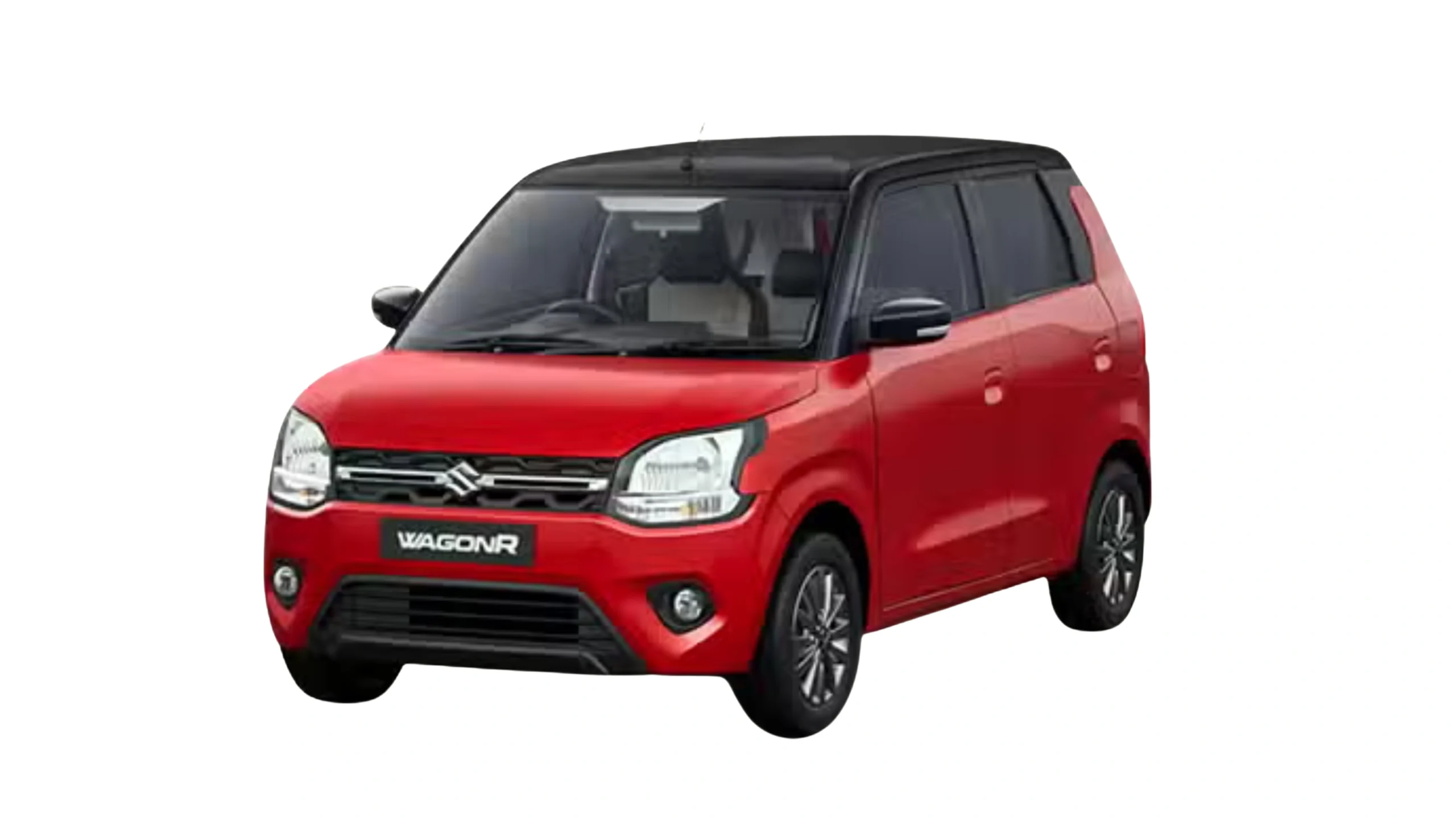
Maruti Suzuki Wagon R is a popular tallboy hatchback in India known for its unbeatable practicality and value-for-money appeal. Priced between ₹4.99 lakh and ₹6.94 lakh (ex-showroom Delhi) for its various trims, the Wagon R offers spacious interiors with effortless ingress/egress and a large 341 L boot, all in a compact city-friendly footprint. Available with peppy 1.0L or 1.2L petrol engines (plus a factory CNG option), and with choice of manual or AMT gearboxes, the new Wagon R delivers excellent fuel efficiency and Maruti’s trademark reliability. Below we dive into a detailed overview of the Wagon R’s price, specifications, features, safety, variants, mileage and how it stacks up against competitors, to help you decide if this highly practical hatchback is the right car for you.
Introduction / Overview
The Maruti Wagon R has been a consistent top-seller for Maruti Suzuki, with over 2.2 million units sold till 2018. Its appeal lies in its tallboy design and clever use of space – the new generation Wagon R is wider and has a longer wheelbase than before, translating to a genuinely roomy cabin. Five adults can fit in reasonable comfort, and the high roofline offers ample headroom for all. The car’s lightweight platform (under 850 kg) contributes to a nimble driving character and excellent city fuel economy. Maruti now offers two engine options: a 1.0L (3-cylinder) and a superior 1.2L (4-cylinder) K-series petrol on higher trims, the latter costing just ~₹20,000 extra and significantly boosting power and refinement. Both engines come with a 5-speed manual or an AMT (Automated Manual Transmission) for clutch-free convenience. The Wagon R continues to compete in the entry-hatch segment (B1 segment) against cars like the Hyundai Santro and Tata Tiago, while also attracting buyers upgrading from smaller cars. Overall, the Wagon R remains as good as it gets in terms of practicality – a spacious, fuel-efficient city car with low cost of ownership and Maruti’s extensive service network backing it.
Price in India
Maruti Wagon R price in India ranges from ₹4.99 lakh to ₹6.94 lakh (ex-showroom Delhi) for the latest model year. Below is a breakdown of Wagon R variants and their ex-showroom Delhi prices:
Variant Ex-Showroom Price (Delhi) LXI ₹ 498,900 VXI ₹ 551,900 LXI Waltz Edition ₹ 564,671 LXI CNG ₹ 588,900 ZXI ₹ 595,900 VXI AMT ₹ 596,900 ZXI Plus ₹ 638,900 ZXI AMT ₹ 640,900 VXI CNG ₹ 641,900 ZXI Plus Dual Tone ₹ 649,900 ZXI Plus AMT ₹ 683,900 ZXI Plus AMT Dual Tone ₹ 694,900 (All prices are ex-showroom Delhi. AMT = 5-speed Auto Gear Shift transmission.)
Even the fully-loaded Wagon R ZXI+ AMT Dual Tone comes in under ₹7 lakh ex-showroom, making the Wagon R one of the most affordable 5-seater hatchbacks in its class for the features on offer. The base LXI trim (₹4.99 L) is very competitively priced, undercutting many rivals, while the mid-range VXI and top-end ZXI+ trims offer added features for a reasonable step-up in price. Notably, Maruti also offers factory-fitted CNG variants (LXI CNG and VXI CNG) for customers seeking ultra-low running costs – these cost about ₹80k–₹90k more than their petrol-only counterparts, but qualify for state incentives in some areas and pay back quickly via fuel savings.
Specifications / Technical Details
The table below highlights the major specifications of the Maruti Suzuki Wagon R:
Specification Details Engine Options 1.0L 3-cylinder K10B petrol (67 PS, 89 Nm) / 1.2L 4-cylinder K12N petrol (82 PS, 113 Nm) Transmission 5-speed Manual or 5-speed AMT (Automated Manual Transmission) Fuel Options Petrol (both engines) Factory-fit CNG (1.0L LXI/VXI trims, bi-fuel: Petrol+CNG) Mileage (ARAI) 1.0L petrol MT – ~22.5 km/l; 1.0L AMT – up to ~25.2 km/l. 1.2L petrol MT – ~21.5–23.5 km/l; 1.2L AMT – ~24.4 km/l. CNG – ~34.0 km/kg. Dimensions (L×W×H) 3655 mm × 1620 mm × 1675 mm Wheelbase 2435 mm Ground Clearance ~165 mm (unladen) (approximately; not officially stated, but slightly lower than Tiago’s 170 mm) Boot Space 341 L (with parcel shelf) – among best in class Fuel Tank Capacity 32 L (Petrol tank); ~60 L water-equivalent cylinder in CNG variant Seating Capacity 5 persons; Tallboy design yields generous headroom and upright seating Kerb Weight 805 kg (1.0L) / 830 kg (1.2L) – very light for its size Platform HEARTECT platform (shared with Swift, Ignis, etc., emphasizing light weight and rigidity) Engine & Performance: The 1.0-liter engine (Maruti K10B) produces about 67 bhp and 89 Nm, adequate for city commuting and tuned for fuel efficiency. The larger 1.2-liter K12N engine makes 82 bhp and 113 Nm, transforming the Wagon R’s character with noticeably better pickup and refinement. Both engines come with a 5-speed manual, and both can be had with Maruti’s AGS (AMT) automated manual gearbox for convenience. Thanks to the car’s low weight, even the 1.0L feels peppy in urban use, while the 1.2L Wagon R can comfortably cruise on highways and handle full loads without strain.
Mileage: Fuel efficiency is a strong suit for Wagon R. The ARAI-rated economy for the petrol versions ranges from ~23–25 km/l (depending on engine and transmission). In particular, the 1.0L AMT delivers up to 25.19 km/l in standard tests, making it one of the most fuel-efficient petrol hatchbacks. The 1.2L variants are rated slightly lower (~23–24 km/l) due to the bigger engine, but still excellent for a 88 PS car. The factory-fitted CNG option is even more frugal – about 34.05 km/kg of CNG – translating to a very low running cost, albeit with reduced power (approx. 56 PS on CNG). Real-world mileage will depend on driving conditions, but owners generally report the Wagon R to be very light on fuel in city use. The light kerb weight and efficient engines mean even in real conditions one can expect high teens to ~20 km/l from the petrol Wagon R, which is on par or better than rivals.
Features
Despite its compact footprint, the Wagon R offers a cavernousbootand flexible 60:40 split-folding rear seats, enhancing its family-friendly practicality.
The Maruti Wagon R is designed to maximize practicality and offer essential modern features in each trim. Some highlights of its features and equipment include:
- Infotainment & Connectivity: Higher variants come with a new 7-inch SmartPlay Studio touchscreen head-unit that supports Apple CarPlay and Android Auto. This system has Bluetooth, USB, Aux-in, and even voice command support. Lower trims (VXI) get a standard audio system with FM/MP3, USB, Bluetooth and 2 speakers (front), while the base LXI trims come pre-wired for audio but without factory-fitted unit or speakers. Steering-mounted audio controls are provided on the ZXI/ZXI+ trims for convenience. All variants have a 12V power socket (with neat covers) and front cabin lamp, and even the base model offers useful storage like a dashboard shelf and door pockets.
- Comfort & Convenience:Air conditioning with heater is standard across the range. Power steering (electric) and front power windows are standard; rear power windows are added from VXI trim onward. The steering column is tilt-adjustable for driver comfort. There are thoughtful storage spaces such as a unique underseat storage drawer below the co-driver’s seat (useful for keeping valuables out of sight). The Wagon R’s tallboy design and wide-opening doors make ingress and egress extremely easy, almost like stepping into a mini MPV. The cabin is very spacious for its class, comfortably seating five, and offers a high seating position that gives the driver a commanding view of the road. The rear bench features a 60:40 split-folding function (on all except base trim) to increase flexibility – you can expand the already-large 341 L boot to haul extra luggage as needed. Other convenient touches include remote keyless entry (VXI and above), internally adjustable ORVMs (electric adjustment on higher trims), a day/night inside mirror, and a rear wiper/washer + defogger on the top model (ZXI+).
- Interior Styling: The Wagon R’s interior is finished in a dual-tone theme (beige and dark grey) with durable fabric upholstery. The dashboard layout is simple and ergonomic, with all controls within easy reach. Top-end variants get a sporty dual-tone dashboard with a piano-black center fascia around the infotainment screen. There are plenty of cubbyholes: twin cup-holders ahead of the gear lever, bottle holders in front doors, and an open storage slot above the glovebox. While interior build quality is basic and utilitarian (hard plastics, simple design), the fit-and-finish is acceptable for the price – though the Hyundai Santro does feel more premium in comparison. One omission is that rear passengers only get fixed headrests, which are small and provide limited support. Overall, the focus is on function over form – easy to clean materials and a very airy, spacious feel inside the cabin.
- Exterior Features: The new Wagon R sports a contemporary but familiar look. It offers projector halogen headlamps and large upright tail-lamps that flank the rear windscreen. While alloy wheels are not offered on any trim (all variants ride on 14-inch steel wheels with full wheel covers), Maruti does offer stylish wheel cap designs and a variety of accessory alloy wheels via dealers. The top-end ZXI+ Dual Tone variants introduce a contrast black roof with select body colors (such as Autumn Orange, Poolside Blue, etc.), adding a bit of flair to the design. Body-colored bumpers and outside door handles are standard from VXI upwards. Though front fog lamps are not provided from factory (blank slots are present), dealers can fit auxiliary fog lights if desired. In terms of paint, Maruti offers both vibrant hues and the usual whites, silvers, greys – the paint quality is reported to be good for the segment.
Safety
Safety equipment on the Maruti Wagon R has been improved compared to the previous generation. Standard safety features on all variants include: a driver airbag, ABS with EBD, rear parking sensors, front seatbelt reminder, and speed warning alert. Maruti has also used more high-tensile steel in the body structure for improved crash protection (though the car remains relatively light). A passenger airbag is standard on higher trims (ZXi and above get dual front airbags) and was offered as a low-cost option (~₹5,000) on lower trims, making it easy for buyers to equip their car with the extra airbag if not already included. Other safety tech includes child safety rear door locks, front seat-belt pre-tensioners, an engine immobilizer, and central locking (manual in lower variants, remote keyless in higher). The AMT versions of the Wagon R additionally come with a built-in Hill Hold Assist feature that prevents the car from rolling back on inclines – a useful aid for city driving.
In terms of crash ratings, the Wagon R scored a modest 2-star rating for adult occupant protection in Global NCAP tests. This is an entry-level score, reflecting the car’s light build and basic safety construction. While it meets all Indian safety regulations (with ABS, airbags, etc.), it’s worth noting that rivals like the Tata Tiago have achieved higher crash test ratings. Still, the Wagon R provides the essentials: the combination of ABS+EBD and a relatively short braking distance gives it stable stopping power in emergencies, and its light weight and nimble handling can help in accident avoidance. For child safety, ISOFIX anchor points are not offered (child seats must be belt-mounted), and the Global NCAP child protection rating was also around 2 stars. It’s clear that Maruti prioritizes city safety features – like parking sensors and alerts – and the Wagon R is best used at moderate speeds in urban environments, as its structure is not designed for high-speed impacts.
Overall, the Wagon R covers the basics with dual airbags (in top trims), ABS, and seatbelt reminders, but buyers seeking advanced safety or a stronger body shell may want to also consider sturdier models or Maruti’s own Ignis (which offers more airbags and a tougher build). As with most Maruti cars, an extended warranty and widespread service network provide peace of mind in terms of maintenance and reliability.
Variants & Trims
Maruti Suzuki offers the Wagon R in a wide array of variants to cater to different needs and budgets. The variant lineup can be broadly categorized by engine and features. Below is an overview of each Wagon R variant and what it offers:
- LXI (1.0L Petrol, MT) – Base model: Very attractively priced, but comes with only the essentials. It gets power steering, front power windows, manual AC, central locking (manual), dual-tone interior, 13-inch steel wheels, and standard safety kit (driver airbag, ABS, rear sensors). However, it does not come with a factory audio system or speakers – buyers can fit an aftermarket unit. It also lacks remote keyless entry, rear power windows, and rear defogger. This trim is ideal for budget-conscious buyers or fleet use, and still benefits from the Wagon R’s core strengths of space and efficiency.
- LXI CNG (1.0L Bi-Fuel, MT) – Base model with CNG: Same equipment as LXI, but fitted with a factory CNG kit (60 L cylinder in boot). It can run on both petrol and CNG, offering tremendous running cost savings. The spare tire is typically relocated or a puncture kit provided (due to CNG tank in boot). Performance on CNG is slightly lower (around 56 PS), but ARAI mileage is a superb ~34 km/kg. This variant appeals to high-mileage users (e.g. commercial operators or budget family users) who want Maruti’s reliability with the economy of CNG.
- LXI Waltz Edition (1.0L Petrol, MT) – Special edition: A limited-run edition based on the LXI, it added a few extra goodies and cosmetic enhancements. Unique Waltz Edition body graphics and interior trim were provided. Notably, this edition came with the 7-inch touchscreen infotainment system from higher variants (with Apple CarPlay/Android Auto), addressing the lack of audio in the standard LXI. It retained the 1.0L engine and all other LXI features. Essentially, the Waltz Edition gave base model buyers a taste of the top-end tech (and is priced between LXI and VXI). If you see a Wagon R with a factory touchscreen at a lower price, it’s likely this edition.
- VXI (1.0L Petrol, MT) – Mid-range: The VXI trim builds on LXI by adding much-needed convenience features. It gets an audio system with Bluetooth/USB and 2 speakers (front), remote keyless entry with central locking, rear power windows, and full wheel covers. It also comes with day/night IRVM, body-colored door handles and ORVMs, and 14-inch wheels. Importantly, the VXI marks the point where the Wagon R feels properly equipped for daily family use – you have music, power windows all around, and remote locking. Dual airbags are still optional (unless one buys the VXI(O) sub-trim if offered). The VXI variant hits a sweet spot for many buyers, balancing price and features.
- VXI AMT (1.0L Petrol, 5‑AMT) – Mid-range with Auto: This is the VXI with the 5-speed AMT gearbox (Maruti calls it Auto Gear Shift). It has the same features as VXI MT. The AMT includes the Hill Hold Assist feature (preventing rollback) which is exclusive to automatic variants. The convenience of clutchless driving makes this a popular choice for city commuters. Fuel efficiency is actually slightly higher in the 1.0L AMT than the manual (ARAI ~25 km/l vs 24 km/l), thanks to optimized shifts. This variant is great for those who want an affordable automatic hatchback with good features.
- VXI CNG (1.0L Bi-Fuel, MT) – Mid trim with CNG: Essentially the VXI equipment but with the factory CNG kit. It offers more comfort features than LXI CNG (like music system, keyless entry, etc.) while delivering the same low running costs. The VXI CNG has been popular among buyers who want a CNG family car that isn’t too bare-bones. Do note, the CNG tank reduces boot space significantly (you’ll mostly fit small bags around it), but the rear seat can still fold for flexibility. This trim costs higher upfront but pays off if you drive a lot.
- ZXI (1.2L Petrol, MT) – High trim: The ZXI introduces the larger 1.2L engine (82 bhp) for the first time, available only on ZXI and above. This variant gets a significant upgrade in performance and also adds important features: dual front airbags are standard (passenger airbag included), tachometer in the instrument cluster, rear defogger (finally, for clearing mist on the back glass), and day/night IRVM. It also has steering-mounted audio controls and may have minor trim upgrades inside (like silver accents). However, notably, the ZXI does not get the touchscreen – it continues with the integrated 2-DIN audio unit (the touchscreen is reserved for ZXI+). It also still rides on steel wheels (no alloys). Essentially, ZXI is about the bigger engine and safety upgrade. Maruti priced the 1.2L engine upgrade at only ~₹20k extra, making it “a no-brainer to pick the larger engine” for those who can. This trim is perfect for buyers who want the best engine and basic safety without needing all the bells and whistles of the top model.
- ZXI AT (1.2L Petrol, 5‑AMT) – High trim with Auto: This is the ZXI with the AMT transmission. It combines the peppy 1.2L engine with convenience of auto shifting. Feature-wise, it’s the same as ZXI MT (dual airbags, etc.). The AMT on the 1.2L also gets Hill Hold. This variant appeals to those who want maximum performance and convenience in a Wagon R. With ~24.4 km/l ARAI mileage, it’s efficient despite the larger engine.
- ZXI Plus (1.2L Petrol, MT) – Fully-loaded: The ZXI+ or ZXI “Plus” is the top-spec manual trim. It brings in the remaining premium features: namely, the 7-inch SmartPlay Studio touchscreen infotainment system with Android Auto/Apple CarPlay, and possibly adds four speakers (2 front + 2 rear) – though in Wagon R’s case, rear speakers were actually not provided even in top trim from factory (one of the cons). It also gets power-adjustable ORVMs (electric mirror adjust), a rear wiper/washer, and dual-tone interior dashboard. The ZXI+ is focused on technology and convenience – the touchscreen greatly enhances the cabin experience with a modern UI and smartphone connectivity. Cosmetically, this trim might have piano-black or silver accents inside and chrome garnish on the grille outside. However, like all Wagon R variants, it still doesn’t get alloy wheels or fog lamps out of the box. The ZXI+ Dual Tone is a sub-variant of this, which comes in exclusive dual-tone exterior color options (with a black roof) for a slightly sportier look. If you want your Wagon R with all the gadgets and a dash of style, the ZXI+ Dual Tone is the one.
- ZXI Plus AMT (1.2L Petrol, 5‑AMT) – Fully-loaded with Auto: This is the absolute top-end Wagon R, pairing the ZXI+ features with the AMT gearbox. It offers everything Wagon R has – the bigger engine, touchscreen system, dual airbags, etc. – along with two-pedal driving ease. The ZXI+ AMT Dual Tone is the flagship variant, which has the dual-tone paint plus AMT. Even this highest variant remains well-priced under ₹7 lakh ex-showroom. It’s the ideal choice for someone who wants a no-compromise city car: convenient, feature-packed, efficient and still very affordable compared to other cars offering similar features.
In summary, the LXI variants cater to budget or fleet buyers (simple and economical), the VXI variants add comfort and convenience for daily family use, and the ZXI/Zxi+ variants bring performance and tech for a more premium experience. Maruti has cleverly ensured even the base model has the core practical virtues of the Wagon R, while higher trims pile on goodies without breaking the bank. Notably, the availability of CNG in both base and mid trims, and AMT in mid and top trims means buyers have plenty of choice to get the exact configuration they need.
Mileage / Range
Fuel efficiency is a key selling point of the Maruti Wagon R, and it consistently delivers excellent mileage in both petrol and CNG guises. Below are the official ARAI mileage figures for the Wagon R’s different powertrains, along with some real-world context:
- 1.0L Petrol (Manual): ~22.5 km/l ARAI rated. In everyday city use, owners report getting around 16–18 km/l, which can stretch above 20 km/l on open highways with light loads. The lightweight 1.0L Wagon R is very frugal if driven calmly.
- 1.0L Petrol (AMT): ~25.19 km/l ARAI (highest among Wagon R variants). The AMT’s optimised gear shifts allow slightly better economy than the manual. Real-world mileage in city traffic for the 1.0 AMT is typically ~15–17 km/l (since automatics may shift frequently in stop-go traffic), but on uncongested roads it can match the manual. The difference from the manual is minor in practice, but the AMT will consistently deliver high mileage if driven with a light foot.
- 1.2L Petrol (Manual): ~21.5–23.5 km/l ARAI. Maruti initially quoted 21.5 for the 1.2L, but with BS6 updates it’s improved closer to 23 km/l. In the real world, expect ~14–16 km/l in city use and ~18–20 km/l on highways for the 1.2L. The 4-cylinder offers more power, so if driven enthusiastically or with heavy loads, mileage can drop into low teens – but driven gently, it’s not far off from the 1.0L thanks to similar tech and gearing.
- 1.2L Petrol (AMT): ~24.43 km/l ARAI. The 1.2 AMT surprisingly has a higher official rating than the manual, likely because it shifts to higher gears very early in the test cycle. In real usage, expect it to be similar to the 1.2 manual – around 14–17 km/l depending on conditions. The AMT will upshift quickly for economy, but aggressive throttle inputs can lower mileage. Still, getting ~15 km/l in city from a peppy 1.2L engine is easily achievable.
- 1.0L CNG (LXI/VXI CNG): ~34.05 km/kg of CNG (ARAI). This figure translates to roughly 55–60 mpg-equivalent, highlighting why the Wagon R CNG is hugely popular among cost-conscious buyers. In real terms, if one kg of CNG costs ~₹60, the running cost comes out around ₹1.8 per km – extremely cheap. Real-world CNG mileage is often in the 25–30 km/kg range in city driving (because ARAI tests CNG in ideal conditions). Even then, the Wagon R CNG can easily do 180–200 km on a single tank (water-equivalent 60 L tank, about 10 kg fill). Keep in mind, the engine performance on CNG is lower, and if driven in heavy traffic with A/C, the mileage can dip a bit. But overall, the Wagon R CNG remains one of the most efficient cars in India in terms of cost per km. It also has the flexibility to run on petrol when needed (where it gives the usual ~20+ km/l).
In comparisons, the Wagon R’s mileage is at par or better than its rivals. For instance, the 1.1L Hyundai Santro is rated ~20.3 km/l (slightly lower) and the Tata Tiago’s 1.2L is around 23.8 km/l ARAI (slightly higher), but in real-world conditions the Wagon R often matches or exceeds these cars due to its lighter weight. The older 1.0L Celerio had similar mileage (23.1 km/l ARAI), and the new Celerio (2021) actually claims above 25 km/l, but among tallboy hatchbacks Wagon R remains an efficiency benchmark.
To summarize, whether you choose the 1.0L or 1.2L, or even the CNG, the Wagon R will be very light on fuel. It’s designed for economy, and owners backing off the throttle will frequently see 20+ km/l on the MID (for petrol) and enjoy the low running costs that have made Wagon R a trusted choice for city commutes and family errands alike.
Competitors / Comparison
In the entry-level hatchback space, the Wagon R faces competition from both rival manufacturers and even within Maruti’s own lineup. Its key competitors include:
- Hyundai Santro: Hyundai’s Santro (recently revived in a new avatar) is a direct rival tallboy hatch. The Santro offers a more premium interior feel and better interior quality (materials and finish) – in fact, the Wagon R’s cabin plastics are clearly budget-grade in comparison. The Santro also came with a smooth 4-cylinder 1.1L petrol and a conventional AMT which was notably smoother in operation than Maruti’s AMT. However, the Santro’s engine is smaller (69 PS) and it doesn’t offer the option of a larger engine like Wagon R’s 1.2L, putting the Wagon R ahead in performance. The Santro’s rear space is a bit lesser and its styling is more conventional. Both cars offer factory CNG variants. Where the Santro leads is in refinement and perceived quality – its NVH and build are a notch above (the Wagon R has poorer insulation and more tinny feel by comparison). Ultimately, the Santro appeals to buyers who prioritize comfort and quality, whereas the Wagon R focuses on outright space and value. Hyundai’s strong service network is an advantage, but Maruti’s is even bigger – and Wagon R has an almost iconic reputation in this segment that the Santro has to fight.
- Tata Tiago: Tata’s Tiago is another strong contender. It’s not a tallboy design, so ingress/egress isn’t as high-set as Wagon R, but it offers a robust build (4-star Global NCAP safety) and more youthful styling. The Tiago’s 1.2L 3-cylinder engine produces ~86 PS, similar output to Wagon R’s 1.2L, but the Tiago is heavier – meaning performance is comparable or slightly slower. Tiago’s fuel efficiency (23.84 km/l ARAI for petrol) is on par with Wagon R’s 1.2L, but in real world the Tiago may return lower mileage due to its weight. The Tiago shines in ride comfort and highway stability; it feels more solid at high speeds, whereas the Wagon R is tuned for city and can feel unsettled on highways (Wagon R has a softer suspension for low-speed comfort, but “road manners” aren’t its forte at 100+ km/h). The Tiago also offers features like alloy wheels, a better 4-speaker Harman audio system, etc., at a slightly higher price point. One big plus for Tiago is its safety rating and build quality – something Wagon R owners compromise on for the sake of mileage and space. Tata also had a Tiago diesel (until BS6) which had no equivalent in Wagon R’s lineup. Overall, if safety and highway usage are priorities, Tiago is a compelling alternative; but for sheer interior space and low maintenance costs, Wagon R holds an edge (Tiago’s rear seat and boot are smaller at ~242 L, whereas Wagon R’s 341 L boot is a big advantage).
- Maruti Suzuki Celerio: The Celerio is the Wagon R’s sibling in Maruti’s range – slightly lower roof, more conventional hatch styling. The previous-gen Celerio shared the same 1.0L engine, and the new Celerio (2021) continues with an updated 1.0L DualJet engine boasting even higher mileage (~26 km/l). The Wagon R, however, has far more interior space – especially headroom and boot space (Celerio’s boot ~313 L vs Wagon R’s 341 L). Wagon R also offers the 1.2L engine which the Celerio doesn’t. Essentially, the Celerio might appeal for its fresh looks and slightly more premium interior design, but the Wagon R is more practical. Many buyers cross-shop these two; if one prefers a taller seating position and bigger cabin, Wagon R wins, but if a lower stance and a bit more upmarket features matter (the new Celerio has some, like push-button start in top model), then Celerio is considered. Price-wise they overlap, but Wagon R sells in much higher numbers historically, indicating the market’s preference for its practicality.
- Maruti Ignis: Though not a direct price competitor (Ignis is positioned slightly higher), Maruti’s own Ignis offers an interesting alternative. It shares the same 1.2L engine as Wagon R but packaged in a more crossover-like design with wider stance and better high-speed behavior. The Ignis has more premium features (climate control, alloy wheels, LED lights in top trims) and a tougher build feel. In fact, one of the Wagon R’s cons noted by reviewers was that the Ignis Alpha trim isn’t far off in price once discounts are applied– meaning for a bit more money, one could get an Ignis with more features and arguably better safety. However, the Ignis has a smaller cabin (narrower rear seat) and less boot (260 L), and it lacks a CNG option. For buyers considering the fully-loaded Wagon R, it might be worth looking at the Ignis if they desire a more premium, quirky alternative with the same reliable Maruti backbone.
Other competitors in the broader segment include the Renault Triber (for those needing occasional 7-seat capacity), but that’s a different body style, and the Datsun GO (now discontinued, but Wagon R beat it in sales and practicality – the GO had a 1.2L engine but poor safety). The Honda Brio used to compete long ago but is no longer on sale. Essentially, the Wagon R’s main fight is with the Santro and Tiago for hatchback buyers. And in that fight, Wagon R often comes out on top in sales, thanks to its unique combination of traits: an airy spacious cabin, excellent mileage, and the confidence of Maruti’s service. It “sits at the top of the segment with respect to sales numbers” followed by its Maruti stablemate Celerio. The new Santro, despite being formidable, couldn’t dethrone the Wagon R in sales. Buyers who prioritize interior space, easy ingress (great for elderly passengers), and proven resale value gravitate to the Wagon R, whereas those looking for more style or safety might lean towards Tata or Hyundai.
In short, Maruti Wagon R holds its ground by being the pragmatic choice – it may not have the fanciest interior or the highest safety rating, but as a city family car it’s incredibly practical and cost-effective, which is exactly what a huge chunk of Indian buyers want.
Pros & Cons
Pros:
- Unbeatable practicality – Tallboy design yields a spacious, airy cabin with excellent headroom and legroom. Ingress & egress are effortless, and the large 341 L boot can swallow luggage almost twice as much as the previous model. Few hatchbacks at this price offer as much space and flexibility.
- Value-for-money pricing – Very aggressive starting price and well-distributed features across trims. Even the top variant remains affordable, undercutting many rivals while offering dual airbags, touchscreen etc. Maintenance costs and resale value are among the best, reinforcing the Wagon R’s VFM image.
- Peppy and efficient engines – The new optional 4-cylinder 1.2L engine (82 BHP) hugely improves performance and refinement, yet costs only ~₹20k more than the 1.0L. It makes the Wagon R much nicer to drive, especially on highways, with minimal impact on fuel economy. The proven 0L engine is very frugal and sufficient for city use, delivering ~22–25 km/l easily.
- Smooth AMT and easy driving – The 5-speed AMT (AGS) has been improved; it shifts quicker than older versions and takes the stress out of city commutes. With light steering, a tight turning radius (~4.7 m) and good visibility, the Wagon R is extremely easy to maneuver and park in urban environments.
- Comfortable ride quality – The suspension tuning offers a compliant ride that absorbs city potholes and bumps better than the outgoing model. It’s softly sprung, making daily drives comfortable for all occupants on typical urban roads.
- Handy features in top trims – Highlights include the SmartPlay Studio touchscreen with smartphone connectivity, a nifty underseat storage drawer, 60:40 split rear seats, and even an option for a second airbag at a very nominal cost on lower trims. Maruti has also equipped all variants with basic safety tech (ABS, sensors, etc.) which is reassuring.
- Maruti’s fuss-free ownership – Backed by Maruti Suzuki’s excellent after-sales service network and reliability. Spare parts are cheap and widely available; maintenance is easy on the pocket. Historically, the Wagon R has a strong track record of low running costs and longevity (many owners happily repeat-buy Wagon Rs).
Cons:
- “Built to a cost” interior quality – Hard plastics and a very plain cabin design remind you this is a budget car. Interior quality is strictly budget grade, with fit and finish below rivals like Santro. There are visible cost-cutting signs (e.g. no fabric inserts, exposed metal in boot, etc.). It’s practical, yes, but not premium.
- Thin & light body panels – The Wagon R’s sheet metal feels thin and tinny; the car is lightweight and doesn’t give that solid “thunk.” There is flex if you press the doors and fenders. At speed, it can feel a bit skittish in crosswinds due to the tall, light build. This raises concerns about safety and durability – it simply isn’t as tank-like as a Tiago.
- Noise and vibration (NVH) could be better – NVH package is lacking; insulation is minimal. The 3-cylinder engine, especially, gets quite audible when revved and there’s noticeable vibration at idle or when shutting off. On highways, wind and road noise are high from 100 km/h onwards. Competing cars (with 4-cyl engines or better damping) offer a quieter experience.
- AMT still not the smoothest – Although improved, the AMT gearbox cannot match the butter-smooth shifts of Hyundai’s Santro AMT. Occasional jerks during gear changes and a slight pause in power are felt, especially if you floor the accelerator. It’s best suited to sedate driving; enthusiastic drivers will find it a bit laggy.
- Not a highway cruiser – The Wagon R is more at home in the city than on the highway. Its tall, narrow shape and soft suspension mean it isn’t the most confidence-inspiring at high speeds or around fast corners. Body roll is pronounced and stability above ~100 km/h is just average. It’s absolutely fine for urban runs, but enthusiastic highway drivers will need to be cautious and keep speeds in check.
- Missing premium features – There are some surprising omissions: no alloy wheels on any variant (even the top trim has wheel caps), no factory fog lamps, no rear speakers (audio output is only from front speakers), and the rear seat headrests are small & non-adjustable, offering little support. Also no climate control AC or push-button start, etc., which some newer rivals or higher-segment cars have. The Wagon R covers the basics well, but you do feel some niceties were left out.
- Competition from within Maruti – The Wagon R’s top variants overlap with cars like the Ignis (with discounts) which offer more style and features. The Maruti Ignis is objectively a more premium product (better safety, alloy wheels, nicer interiors), and it isn’t priced far away from a Wagon R ZXI+. This might make the Wagon R’s upper variants seem a bit expensive for what they offer, especially to buyers looking for the best bang for buck around the ₹6–7L range.
Is the Maruti Suzuki Wagon R for You?
The Maruti Wagon R is an ideal choice if you’re an Indian car buyer seeking a no-nonsense city hatchback that maximizes space, efficiency, and practicality on a tight budget. Its strengths lie in easy drivability, low running costs, and a remarkably roomy cabin for the price. Families, elderly passengers, and first-time buyers will appreciate the Wagon R’s comfortable ingress/egress, high seating, and versatile storage. However, if you prioritize things like high-speed performance, premium cabin materials, or advanced safety tech, the Wagon R might feel a little spartan – in such cases, you may want to consider higher-segment alternatives or the safer Tata Tiago. For the vast majority of buyers looking for a reliable, efficient, and user-friendly daily driver, the Wagon R delivers on its promises, embodying Maruti’s formula of “fuel-efficient, easy to maintain, and immensely practical” that has made it a perennial bestseller. In short, if your needs align with city commuting, family practicality and economy, the Wagon R is very likely for you. It’s a car that has earned its fan following by being a sensible and trustworthy companion on Indian roads year after year.
-
This topic was modified 6 months ago by RoadSensei.
-
This topic was modified 6 months ago by RoadSage.
- AuthorPosts


- You must be logged in to reply to this topic.